EXPLORE THE GROUNDS
& HISTORIC BUILDINGS
Professional Photography
With its rustic charm and scenic vistas, Green Frog Farm serves as a beautiful backdrop for professional photography, which we are pleased to offer for a fee. Our grounds provide an intimate and unique setting for capturing life’s special milestones, including maternity and newborn sessions, family portraits, and graduation photos, as well as engagement and wedding photography. To ensure your session does not conflict with a private event, we ask that you please call to schedule an appointment in advance. To inquire about pricing and scheduling, give us a call or contact us here.
Green Frog Self-Guided Tour
Historic Buildings
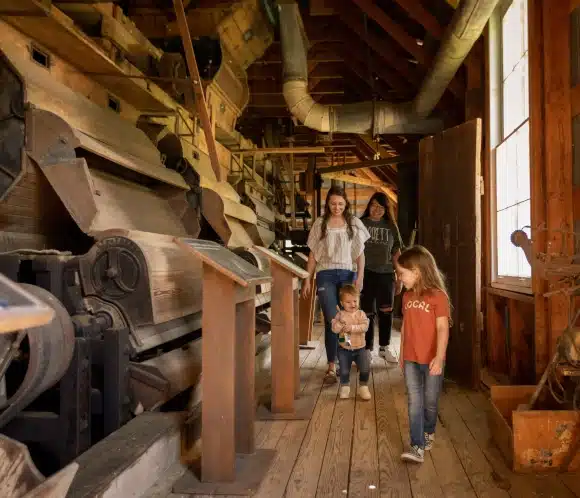
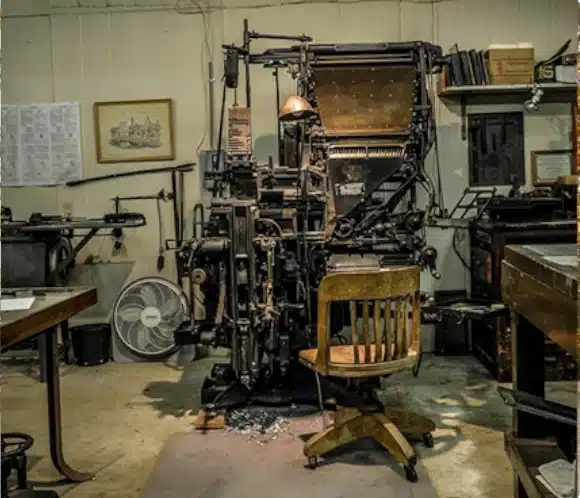
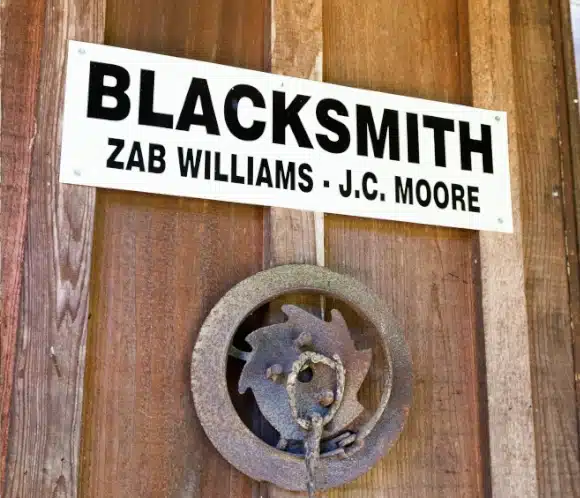
The Green Frog self-guided tour is open to both the public and our overnight guests, with access to the restored historic structures. Your self-guided tour will take you to the blacksmith shop, print shop (with a working linotype machine), one-room schoolhouse, and chapel. Green Frog is also home to the Cotton Museum of the South, which features an original cotton gin, seed house (with antique loom, display), and general store.
- Day Pass Tours: Available to anyone stopping by! For a small fee, you can enjoy a self-guided tour of all of our 19th-century buildings.
- Overnight Guests: Your stay includes access to the grounds, including the self-guided tour of all of our historic buildings.
Landscaped Grounds and Fishing Ponds
There are four ponds at Green Frog to explore, surrounded by farmland, including a blackberry and blueberry farm. While our historic grounds and museums are open to the public for self-guided tours, some of our favorite pastimes are saved specifically for those who call our cabins home for the night. Overnight guests enjoy exclusive, private access to our four fishing ponds. There’s nothing quite like a quiet moment on the bank with your own rod and reel, right outside of your private cabin.
Louise May Pearson Arboretum
Over 100 species of trees are on display throughout the grounds in the state-certified arboretum. Guides are available at the train station at the entrance to Green Frog.
-
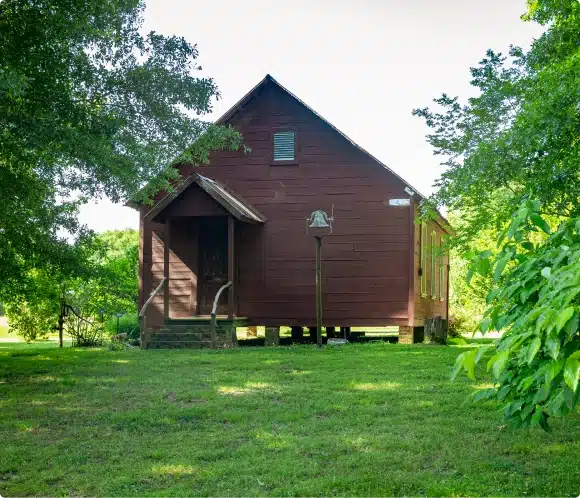
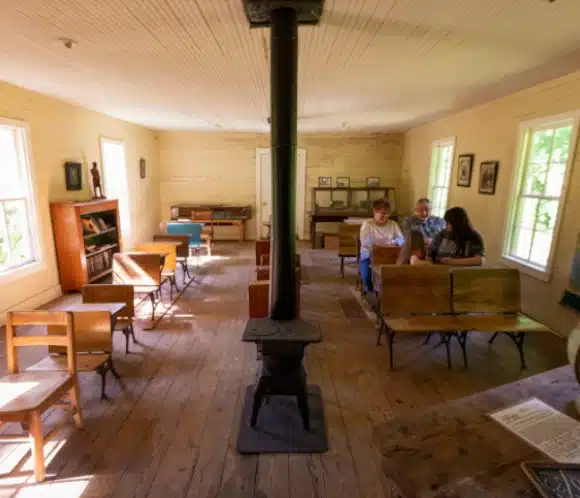
Redmon Schoolhouse, 1920
This one-room building donated by Cindy Nyland, came from Crockett Mills, a small community nearby. When it was in active use, one teacher would have taught students that ranged from 1 – 8 grades. In those days it was common to start the school day with a Bible reading and prayer.
-
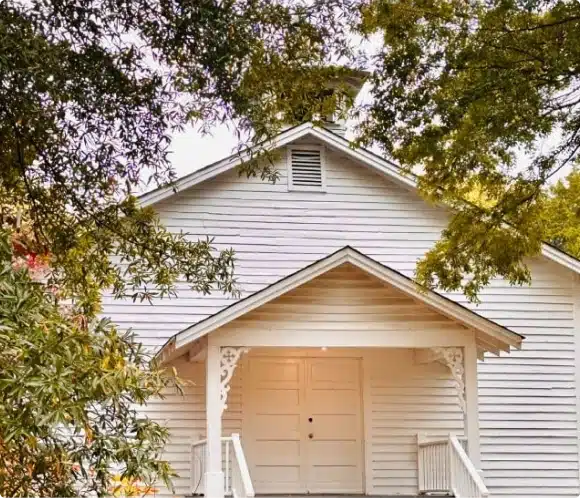
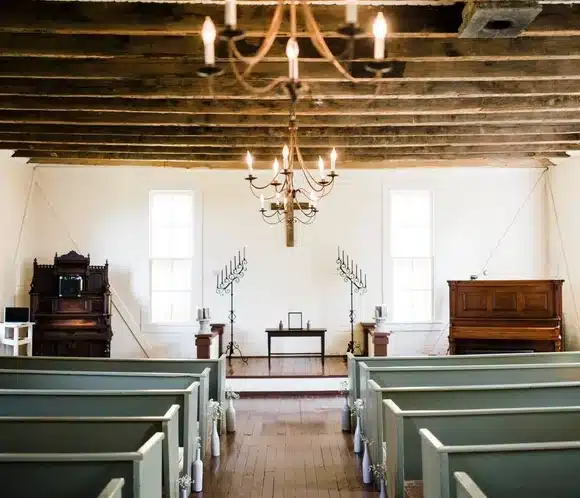
May Chapel, 1890
This country church originally sat about four miles west of Green Frog, and was used by the Crossroads Methodist Church until 1984. The original church had been a log building constructed around 1825. This church replaced it in the 1890’s.
-
Cotton Gin General Store
Every gin had a general store associated with it. Our gin store was built from lumber donated by Mr. Miller Petter and roofing material from the Farmers Coop in Alamo (also used on the gin). Antique doors and windows create an atmosphere of the 1910’s. Numerous local businesses provided the vintage wares found in the store.
-
Cotton Gin “Cotton Museum of the South” 1910
The cotton gin was moved from Mantua, Alabama and donated by Mr. Irvin Eatman. Cotton gins were the heart of many rural towns from the late 1800’s through the mid 1900’s.
-
Frogmore Print Shop
This brick building, one of the few not moved onto the property, contains printing equipment from the Wessington Times Enterprise in South Dakota, where Green Frog founder John Freeman spent his first year of medical practice. Other machines are from the Jackson Sun and the Crockett Times. The front window panels and the oak beaded
-
Blacksmith Shop
This shop contains 1900-era smithing equipment from two local blacksmith shops, J.C. Moore and Zab Williams. This is a working shop with restored equipment. Zab Williams invented and patented a walking cultivator. Another local blacksmith, Riley Byrd, also invented a walking cultivator, which is displayed in the Cotton Gin museum.
-
Louise Pearson Arboretum
The Bells Garden Club established an arboretum (a botanical garden devoted to trees) at Green Frog, which now features almost 200 different tree species, labelled with their common and scientific names. The magnificent variety of trees features many natives and is a wonderful compliment to the historic structures.